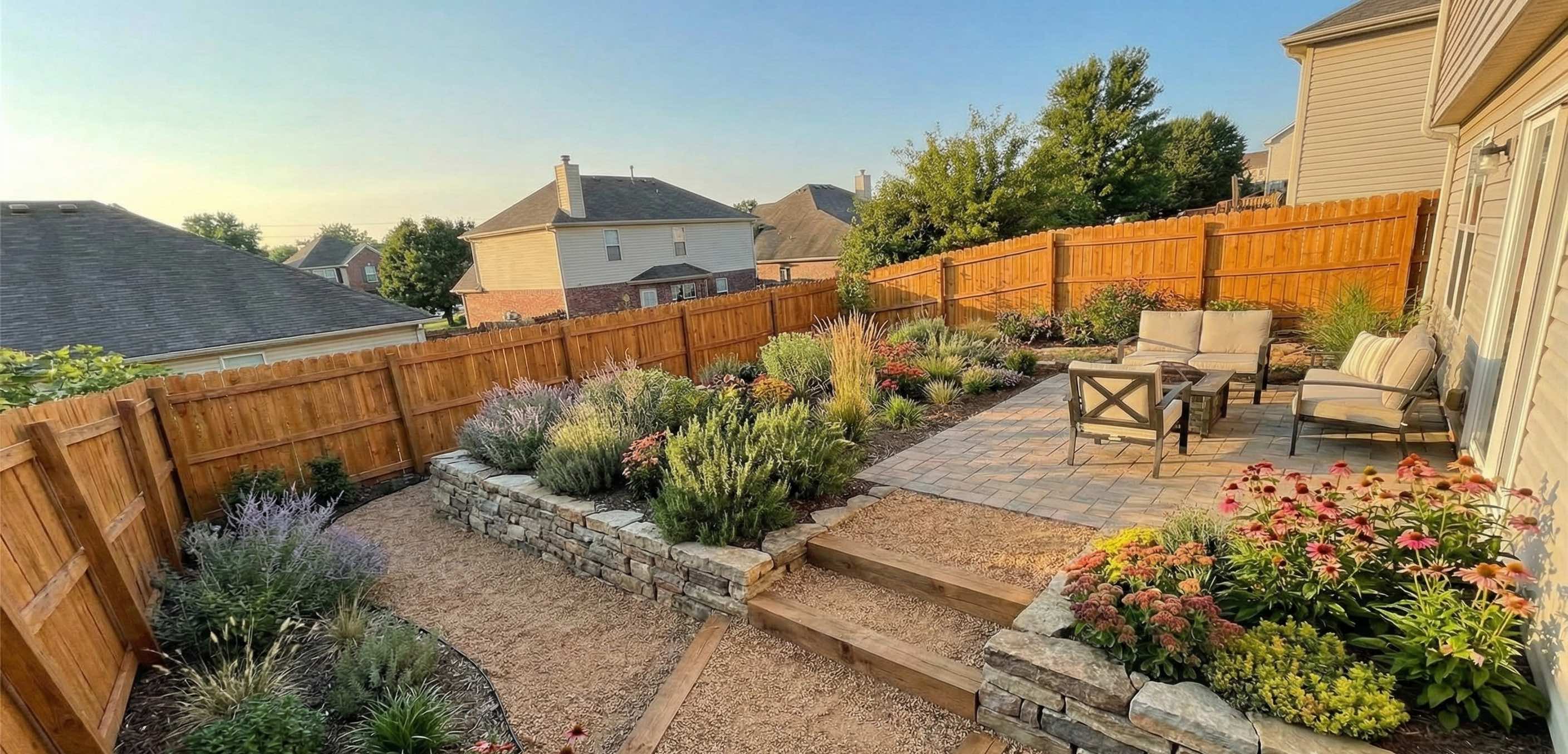
GardenDream is an AI garden planner that empowers homeowners to design stunning, thriving yards with confidence. This innovative tool uses artificial intelligence to analyze property photos, considering local climate and space constraints to generate realistic garden plans. It belongs to the category of AI-powered landscaping and outdoor design software, designed for anyone from DIY enthusiasts to professional designers seeking a data-driven approach. The core value lies in transforming abstract ideas into concrete, site-specific layouts that not only look beautiful but are also biologically and structurally sound.
Most exterior projects fail due to undetected drainage issues, proportion mistakes, or plant and material mismatches. Homeowners often invest time and money into designs that quietly develop water traps, cramped entrances, or plants that die within the first season. GardenDream addresses these pains head-on by performing a forensic site analysis before a single plant is placed. This analysis identifies hidden risks like poor drainage, awkward facade proportions, and climate incompatibility, ensuring that every aspect of the design is optimized for long-term success. The result is a garden that not only looks right on day one but continues to thrive for years.
The first major feature is Visual Depth Optimization, which analyzes the perceived depth of a space and transforms potential enclosures into assets. For example, a stark black fence can become a gallery wall by strategically placing high-contrast tropical plants. This feature works by using AI to evaluate enclosure risk and suggest high-contrast plantings to create the illusion of depth. Users simply upload a photo, and the tool highlights opportunities to make small yards feel larger and more open. The benefit is immediate—without costly structural changes, the garden gains a sense of expansiveness and visual interest.
Another core capability is the ability to instruct the AI using natural language commands. Users type requests like 'add a modern pool' or 'replace the lawn with pavers,' and the system generates a photo-realistic visualization in seconds. The Instant Visualizer then allows them to see changes such as a new pergola, a privacy hedge, or different paving materials instantly. This feature eliminates the guesswork and allows for rapid iteration. Homeowners can explore dozens of design alternatives without any manual rendering, saving hours of effort and avoiding costly mistakes. The visualizer integrates directly with the forensic analysis, so every proposed change is checked against site conditions.
admin
After visualizing, users enter the Refine & Plan stage, where they can tweak every element until the design is perfect. The tool provides detailed refinements such as adjusting plant species, repositioning structures, or changing material finishes. Once satisfied, the plan can be exported with confidence, backed by the same forensic site analysis that guided earlier stages. This export includes a full breakdown of plant recommendations, spacing guides, and drainage notes. The integration of analysis with planning means that the final design is not just a pretty picture—it is an actionable blueprint that contractors and local nurseries can follow.
GardenDream operates through a straightforward three-step workflow that combines AI analysis with user creativity. First, the AI performs a forensic site analysis of uploaded property photos, evaluating factors like drainage, soil type, sun exposure, and spatial proportions. In the second step, users interact with a natural language interface to describe desired changes, and the Instant Visualizer renders these ideas as high-fidelity images. Finally, the Refine & Plan tool lets users make detailed adjustments, and the final export includes a comprehensive design document. This workflow ensures that every design is grounded in site-specific data, dramatically increasing the likelihood of a successful installation.
A common use case is a homeowner wanting to add a swimming pool. Using GardenDream, they can describe 'add a modern pool' and instantly see different shapes and placements overlaid on their backyard photo. The forensic analysis alerts them if the proposed location has drainage issues. Another scenario involves a property with a long black fence that feels claustrophobic. Visual Depth Optimization suggests using tropical plants to create a gallery wall, turning a problem into a feature. Real estate agents also use the tool to stage yards for sale, quickly visualizing low-maintenance landscapes that appeal to buyers. In each case, the outcome is a design that has been vetted for both aesthetics and practicality.
GardenDream is ideal for homeowners planning a major garden renovation, DIY landscapers who want professional-grade results, and landscape architects looking for a rapid prototyping tool. It runs as a web application, accessible from any modern browser, requiring no software installation. While specific pricing is not detailed on the landing page, the tool offers a free visualization and analysis with optional premium plans for advanced features. In summary, GardenDream is the AI garden planner that combines forensic site analysis with instant visualization, turning property dreams into thriving realities. It takes the guesswork out of outdoor design and ensures every project starts on solid ground.
GardenDream is designed for homeowners planning a garden renovation, DIY landscaping enthusiasts seeking professional results, real estate agents staging properties for sale, and landscape architects needing a rapid prototyping tool. It is also ideal for property owners wanting to increase curb appeal, first-time gardeners who lack design confidence, and contractors looking to present visual proposals to clients. The platform serves anyone who wants to make informed, site-specific outdoor design decisions using AI analysis and instant visualization.