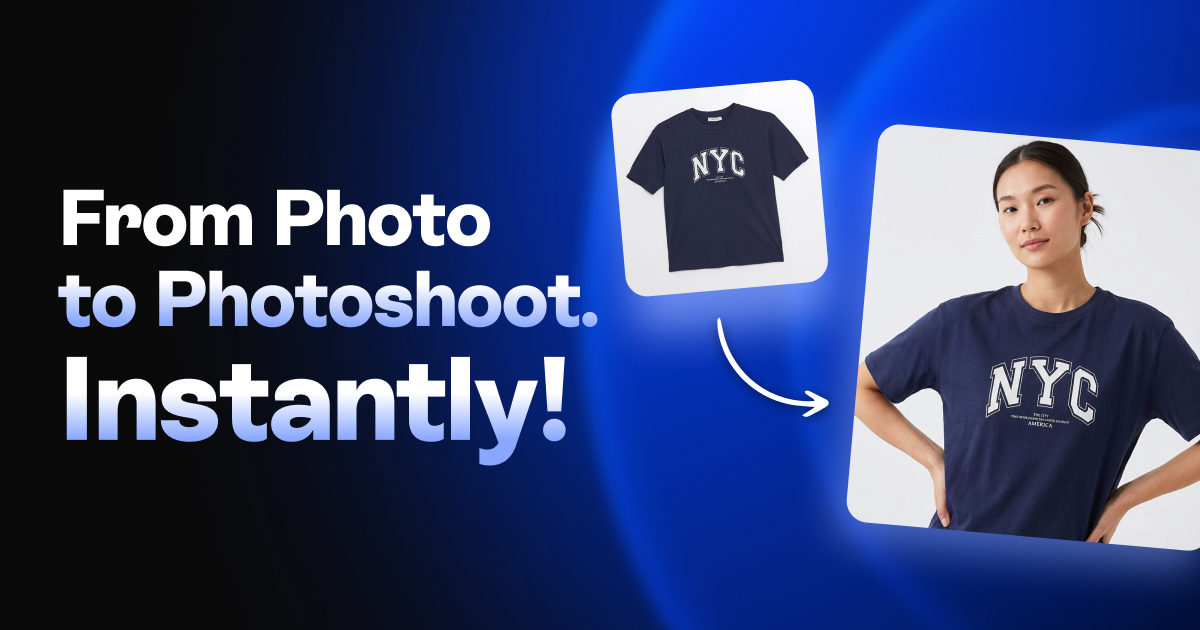
Adject is an AI-powered product photography platform designed for e-commerce brands and sellers seeking hyper-realistic visuals without traditional studio setups. Belonging to the growing category of AI visual generation tools, it serves over 1200 brands and sellers already creating realistic campaign visuals. The core value lies in transforming a single product photo into studio-quality or lifestyle images in seconds, eliminating the need for expensive photographers, models, and editing. By leveraging advanced AI, Adject makes professional product photography accessible to anyone, enabling solopreneurs and small businesses to compete with larger brands. The platform emphasizes speed, affordability, and ease of use, positioning itself as an essential tool for modern e-commerce marketing.
Traditional product photography presents a significant pain point for e-commerce businesses: photoshoots are costly and time-consuming, while mockup packs often look generic and uninspiring. Hiring models, renting studios, and managing post-production quickly drains budgets, especially for solopreneurs and small brands. Adject addresses this by delivering ad-ready visuals at a fraction of the cost—reportedly less than a coffee per week. This affordability allows sellers to produce high-quality images consistently without sacrificing marketing quality. The platform's instant generation means products can be listed and advertised within minutes, not weeks, directly impacting time-to-market and sales velocity. For online stores where visual appeal drives clicks and conversions, having professional-looking images is critical. Adject removes the barrier of entry, enabling even the smallest seller to present their products with the polish of a major retailer.
A standout feature is the "Create in seconds, not days" workflow, which allows users to upload a single product photo and instantly generate both studio and lifestyle images ready for listings and ads. The process eliminates the need for physical shoots, mockup packs, or back-and-forth with designers. Instead, the AI evaluates the product, applies appropriate lighting, backgrounds, and context from a library of templates or a user-written prompt. This rapid iteration means brands can test multiple creative directions for the same product without additional cost or delay. The benefit is clear: faster product launches, more frequent catalog updates, and the ability to A/B test visuals to optimize conversion rates. Nick, a brand owner, noted that Adject "totally sped up how fast we can get new products on the site," replacing hours of struggling with shadows with instant, editorial-looking shots.
admin
Another major capability is cost reduction without compromising quality. The "Cut costs without cutting quality" principle is central to Adject's value proposition. Traditional methods involve paying models, renting studios, and hiring editors—costs that quickly multiply. Adject offers affordable pricing with unlimited variations and an all-in-one platform, as highlighted in the "Old School vs. Adject" comparison. The AI is optimized to preserve product details such as logos, colors, and shapes, ensuring authenticity in every generated image. This accuracy is crucial for e-commerce, where customers need to trust the product representation. By eliminating per-shot costs, sellers can create visuals for their entire catalog without budget constraints. The platform's top-up credits never expire, offering flexibility for seasonal campaigns or sporadic needs. This financial predictability allows brands to allocate resources to other growth areas.
Adject is built for diverse product categories, not just fashion. The platform explicitly supports clothing (including streetwear, activewear, and collections), beauty (luxury skincare, makeup), jewelry (high-detail images with reflections and premium backgrounds), interior decor (sofas, chairs, decor, home accessories), packaged goods (bottled, boxed, retail-ready items), and electronics (smart devices and tech brands). Each category receives tailored output—for instance, jewelry images emphasize reflections and sparkle, while beauty visuals get studio-level lighting. This versatility means a single tool can serve multiple product lines, making it valuable for brands with diverse catalogs. Moreover, no design skills are required; users simply upload a photo, choose a template or type a prompt, and the AI handles the rest. The FAQ confirms that even those without design experience can achieve professional results instantly.
The overall workflow is streamlined into three simple steps, though the site does not detail them explicitly. Based on provided information, the process involves: first, uploading a product photo; second, selecting a template (or typing a custom prompt) to define the desired look; and third, generating the final image. The system is optimized to preserve the product's accurate colors, logos, and shapes. Adject employs advanced AI models for image generation, and users retain commercial usage rights, though they must ensure outputs do not infringe on third-party works. Subscription credits reset each cycle, but top-up credits (purchasable add-ons) never expire, providing flexibility. The FAQ also clarifies that unused subscription credits do not roll over, encouraging active use. This straightforward workflow, combined with generous commercial terms, makes the platform accessible for both occasional and heavy users.
Real user scenarios demonstrate concrete outcomes. For example, Nick, a brand owner from Germany, transitioned from shooting tees and hoodies with a ring light (resulting in cheap-looking images) to using Adject. He immediately obtained clean, editorial-looking shots that made the clothes "look as premium online as they feel in person," leading to a definite increase in sell-through rate. The speed of getting new products to the site improved dramatically. Similarly, Ketija, an Etsy seller, found mockups a constant pain; Adject provided usable visuals without setting up a full photoshoot. These examples illustrate how the platform addresses specific pain points—poor image quality, time delays, and budget limitations. Outcome metrics include faster listing creation, higher conversion rates, and a professional brand perception that builds customer trust. The platform's ability to generate multiple variations also enables A/B testing to further optimize performance.
Target users include brand owners, solopreneurs, Etsy sellers, and businesses across fashion, beauty, jewelry, interior decor, packaged goods, and electronics. The platform is web-based and requires no specialized hardware or software. Pricing is positioned as affordable—less than a coffee per week according to the marketing. The credit system caters to different usage levels: subscription plans with monthly credits and additional top-up purchases that never expire. Commercial use is permitted, though users bear responsibility for not replicating copyrighted works. In summary, Adject democratizes product photography by making studio-quality visuals instant, affordable, and accessible to any e-commerce seller. Its all-in-one approach eliminates the need for multiple tools or services, streamlining the entire visual content creation process. For businesses looking to enhance their online presence and increase sales through better product imagery, Adject presents a compelling, cost-effective solution.
Brand owners, solopreneurs, Etsy sellers, fashion designers, beauty brands, jewelry retailers, interior decor businesses, electronics brands, and any e-commerce seller looking to create studio-quality product photos quickly and affordably. Over 1200 brands and sellers already use Adject to generate realistic campaign visuals without traditional photography costs. The platform is ideal for small to medium-sized businesses that need high-volume, cost-effective product imagery to compete effectively in online marketplaces.