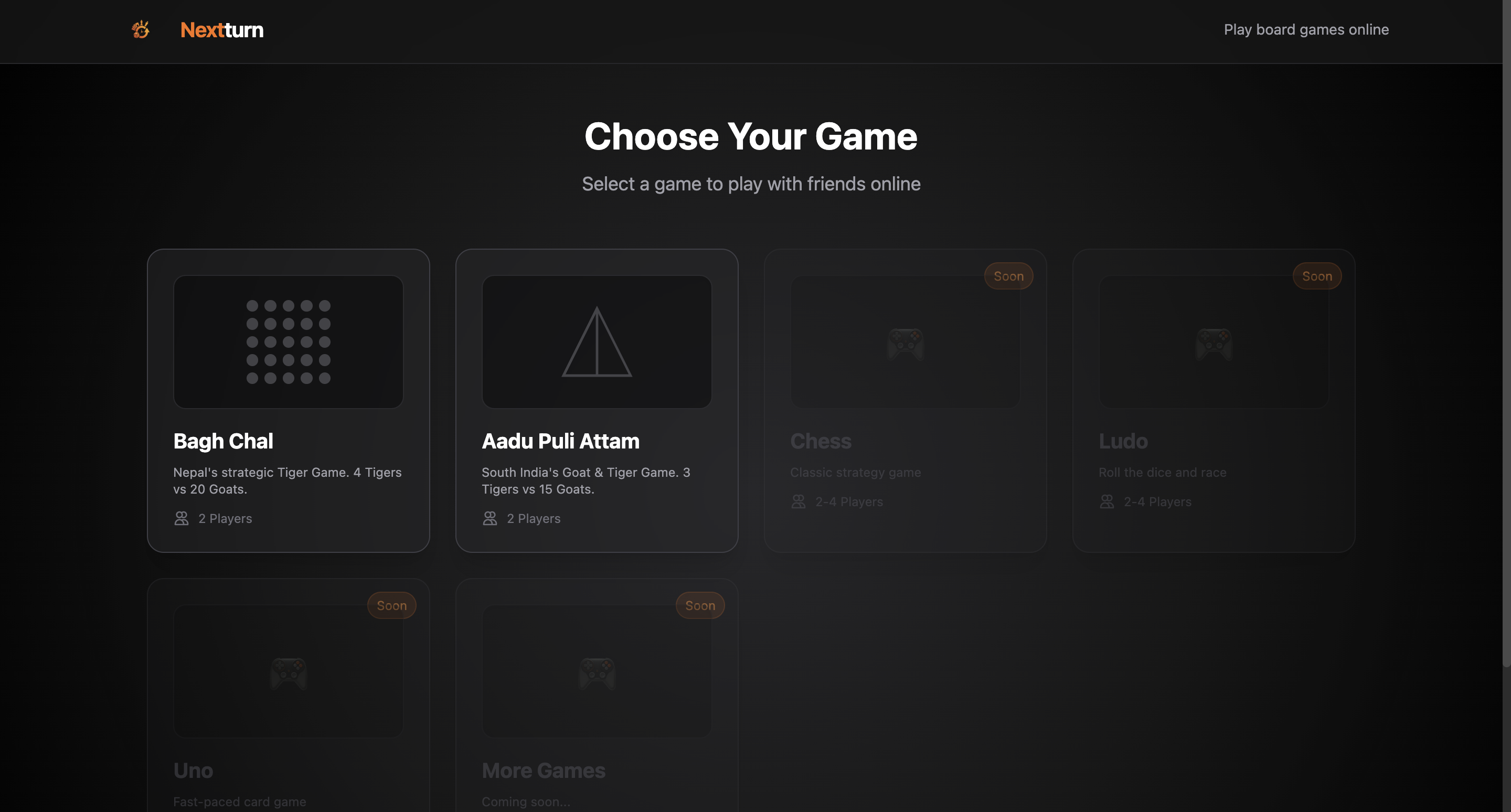
Next Turn revives ancient strategic board games that are becoming extinct by bringing them online for players worldwide. It features real-time multiplayer gameplay, AI opponents, and mobile-friendly design.
Next Turn is a pioneering digital platform that revives ancient strategic board games on the verge of extinction by making them available online for players worldwide. As a hub for cultural preservation through gaming, it caters to board game enthusiasts, historians, and casual players who value traditional pastimes. The platform's core value is offering a convenient way to access classic games like Chess, described as a classic strategy game, Ludo, which involves rolling dice and racing, and Uno, a fast-paced card game, all in a real-time multiplayer environment. By bringing ancient board games online, Next Turn helps sustain their legacy for new generations and ensures these timeless activities remain vibrant and competitive in the digital age.
Many ancient strategic board games like Chess, Ludo, and even traditional variants are at risk of fading into obscurity as physical copies become rare and fewer people learn to play them. This loss of cultural heritage means future generations may never experience the intellectual challenge and social bonding these games offer. The lack of accessible digital versions exacerbates the problem, leaving enthusiasts with limited options to practice or compete globally. For players, this means isolation and difficulty in finding opponents who share their interest. Next Turn directly addresses this pain point by creating an online platform where these games can be enjoyed with real-time multiplayer, making it easy for anyone to learn, play, and share these forgotten pastimes, thus preserving them for the future.
The real-time multiplayer gameplay feature allows players to connect with others around the world instantly, engaging in simultaneous turns without waiting for opponent responses. This creates an immersive and dynamic experience that mimics playing face-to-face, fostering quick decision-making and excitement. For a game like Chess, real-time play adds a layer of urgency, while in Ludo, it accelerates the race. The feature supports 2-4 players per game, accommodating small groups or pairs. This capability is crucial for social interaction, enabling friends and families to bond over classic games regardless of distance, and for competitive players to test their skills against a wide pool of opponents.
The AI opponents feature provides intelligent computer-controlled players that simulate human strategies, offering a challenging solo experience when real opponents are unavailable. These AI adapt to different skill levels, making them suitable for beginners learning the rules and advanced players honing their tactics. In Chess, the AI can emulate various playing styles, while in Ludo, it makes strategic decisions about piece movement. This ensures that players always have a worthy adversary, eliminating the frustration of finding opponents. The AI also allows for practice sessions, helping users improve their gameplay without the pressure of competition. This feature is especially valuable for reviving extinct games, as it ensures the games remain playable solo.
Publisher
A
admin
Launch Date2026-01-01
Platformweb
Pricingfreemium